
Find Smart Ways to Save on Cheap Ammunition Without Sacrificing Quality
Surprisingly, cheap ammunition often delivers nearly identical terminal performance to premium brands for everyday target practice and plinking. It works by using simpler manufacturing processes and bulk components, which shave costs without compromising basic reliability. The real benefit is simply more trigger time for your dollar, letting you train fundamentals like sight alignment and trigger squeeze without wincing at the register. Just check your firearm’s chamber pressure specs and stick to reputable budget lines to keep the savings safely on target.
What Exactly Defines a Budget-Friendly Round Without Sacrificing Reliability?

A budget-friendly round that stays reliable hinges on consistent case dimensions and proper primer seating, not just the lowest sticker price. Cheap ammo fails when sloppy manufacturing causes light primer strikes or stuck cases, so look for brands with a solid QC reputation, even if they skip fancy packaging. The real trick is testing a few boxes in your specific firearm—what runs flawlessly in one gun may jam in another.
If a round feeds, extracts, and holds its accuracy minute-of-man out to your intended range, that’s your sweet spot, regardless of what it costs.
Stick to brass cases over steel for easier extraction, and avoid remanufactured loads unless you trust the loader’s sorting process. Reliable cheap ammo doesn’t mean perfect groups—it means zero malfunctions cycle after cycle.
Breaking Down the Real Cost-Per-Round: Price vs. Performance
The lowest sticker price often hides a higher true expense when you factor in reliability, and real cost-per-round analysis demands you weigh performance against every failure. A jammed primer or a squib load isn’t just frustrating—it costs you range time, potential firearm damage, and the value of wasted training. Compare a bargain round that throws erratic groups against a slightly pricier option that feeds flawlessly and prints consistent hits; the latter delivers more usable practice per dollar. Track your actual round count before malfunctions, not just box price, to see which ammunition truly stretches your budget.
- Chronograph velocity consistency to identify rounds that perform like premium loads.
- Test 100 rounds minimum for feed and extraction reliability before bulk buying.
- Calculate cost per accurate hit, not cost per box, using your average group size.
- Factor in re-shoots or malfunction drills that eat into your range session value.
Understanding Steel-Cased, Brass-Cased, and Remanufactured Options
Understanding steel-cased, brass-cased, and remanufactured options starts with knowing what each sacrifices .50 Cal Ammo for Sale for savings. Steel cases use a lacquered or polymer coating to prevent corrosion, but the harder steel won’t expand and seal like brass, so you may see more carbon blowback in your chamber. Brass cases are the reliability benchmark—they resize, seal, and extract flawlessly, which is why they cost more. Remanufactured rounds are previously fired brass that’s been inspected and reloaded; they offer near-new performance for less, but you must accept occasional headspace inconsistencies. For a genuinely budget-friendly round without sacrificing reliability, choose brass-new production on sale or remanufactured from a reputable loader; steel is acceptable for range plinking but not for defensive or cold-weather use.
Why “Cheap” Doesn’t Have to Mean “Dirty” or “Unreliable”
The assumption that low cost equals poor performance ignores modern manufacturing efficiencies. **Budget-friendly ammunition reliability** now hinges on bulk production of proven military or police overruns, not substandard materials. Powder charges and primers are machine-verified, meaning even budget 7mm Rem Ultra Mag Ammo for Sale lines cycle semiautomatics dependably. While premium rounds offer tighter tolerances, inexpensive ammunition is often simply brass-cased and lacquer-sealed against moisture—dirtiness comes from improper storage, not price. To ensure cheap rounds avoid fouling issues:
- Buy sealed, factory-fresh lots from established brands with high turnover.
- Run a 50-round function test before committing to a case.
- Check for uniform crimp and case length—rejects are usually pulled before boxing.
A budget round that seats cleanly and ignites consistently is not dirty; it’s just honest hardware.
How to Choose the Best Value Ammo for Your Specific Firearm
The best-value ammo isn’t the cheapest box on the shelf—it’s the round your firearm *consistently* cycles and prints tight groups with. I learned this after my 9mm jammed on bargain-bin reloads, costing more in frustration than I saved. Start by buying a single box of three budget brands, like steel-case or remanufactured loads, and fire ten rounds each from a rested position. Check for failures, keyholing, or erratic poi shifts. The value calculation is rounds you can trust, not rounds you can afford to waste. Once you find a winner, buy a case only if the lot number matches, because even cheap ammo varies batch to batch.
Your gun’s recoil spring and feed ramp dictate which bargain round works—what’s junk in a Glock may be flawless in a CZ.
Track accuracy and function in a notebook; that’s your real price tag.
Matching Bullet Weight and Grain to Your Gun’s Twist Rate
Your barrel’s twist rate, expressed as a ratio like 1:7 or 1:9, dictates the optimal bullet weight for stabilization. Heavier grains require faster twists to spin them adequately for accuracy, while lighter grains may over-stabilize or fail to engage slower twists. When buying cheap ammunition, prioritize factory loads matched to your twist rate—check your manual or barrel stamp. A mismatch causes keyholing or poor groups, wasting money on otherwise inexpensive rounds. For budget 5.56, 55-grain works well in 1:9 twists, but 62–77 grain demands 1:7. Similarly, .223 bolt guns with 1:12 twists prefer 52–55 grain. Test one box of each weight near your range’s lowest price, then buy bulk of the winner.
Always verify twist rate before buying value ammo; matching grain to twist prevents accuracy loss and ensures cheap rounds actually hit.
Full Metal Jacket vs. Hollow Points: When to Save and When to Spend
For range practice, Full Metal Jacket vs. Hollow Points: When to Save and When to Spend hinges on cost per round, as FMJ’s flat-nosed or pointed profile feeds reliably and handles cheap ammunition’s higher volume without expanding, 9.3x62mm Mauser Ammo for Sale making it the clear save for plinking. Yet, hollow points justify spending when you need defensive loads, because their open cavity creates a mushroom effect on impact, delivering greater stopping power—a feature no FMJ offers. Do not waste money on hollow points for paper targets; their expansion is wasted and they cost roughly double. Conversely, never rely on FMJ for carry, since it over-penetrates and lacks terminal performance. Prioritize FMJ for training volume, then allocate the saved budget to premium hollow points for loaded magazines only.
Finding the Sweet Spot Between Recoil Management and Affordability
Balancing recoil against cost means prioritizing perceived control over raw power. For new shooters or those with lighter frames, a budget-friendly full-power load can create flinching, which destroys accuracy and wastes money on practice that doesn’t build skill. Instead, seek out reduced-recoil or low-velocity variants—often priced near standard ammunition—which let you 9.3x72R Ammo for Sale train longer without fatigue while maintaining proper sight alignment. Comparatively, if your firearm is heavy or compensates well, cheap standard loads may be the sweet spot, as their sharper push won’t hinder your cadence. Ultimately, the cheapest shot is worthless if you can’t reliably place it. Recoil-tolerant shooting on a strict budget requires testing a few affordable boxes to match muzzle rise to your physical capacity.
Q: Should I always buy the softest-shooting cheap ammo I can find?
No. If you only shoot soft recoil, you’ll be unprepared for defensive or duty loads that hit specialty sports and supply harder. Buy inexpensive standard-velocity rounds for most drills, then occasionally spring for a pricier hot batch to stay familiar with full recoil—without breaking your wallet.
Practical Tips to Stretch Every Dollar at the Range
I remember my first box of bargain ammo—loose primers, dirty brass, but a price that let me shoot twice as often. To stretch every dollar, buy in bulk from online dealers during sales, then split 9×18 Makarov Ammo for Sale the cost with a buddy. Cheap ammunition often runs dirtier, so pack a bore snake and spray lube to avoid malfunctions that waste range time. Zero your optic with premium rounds first, then practice with the cheap stuff—your groups stay honest. Save the dud rounds (yes, they happen) and recycle them into dry-fire snap caps after pulling the bullet. Shoot at 25 yards instead of 50 to keep sight pictures crisp while burning fewer rounds per drill. Finally, reload your spent brass—even cheap ammo’s cases are worth another trip, cutting your next box’s cost in half.
Buying in Bulk: How to Calculate Savings Per Case and Where to Store It
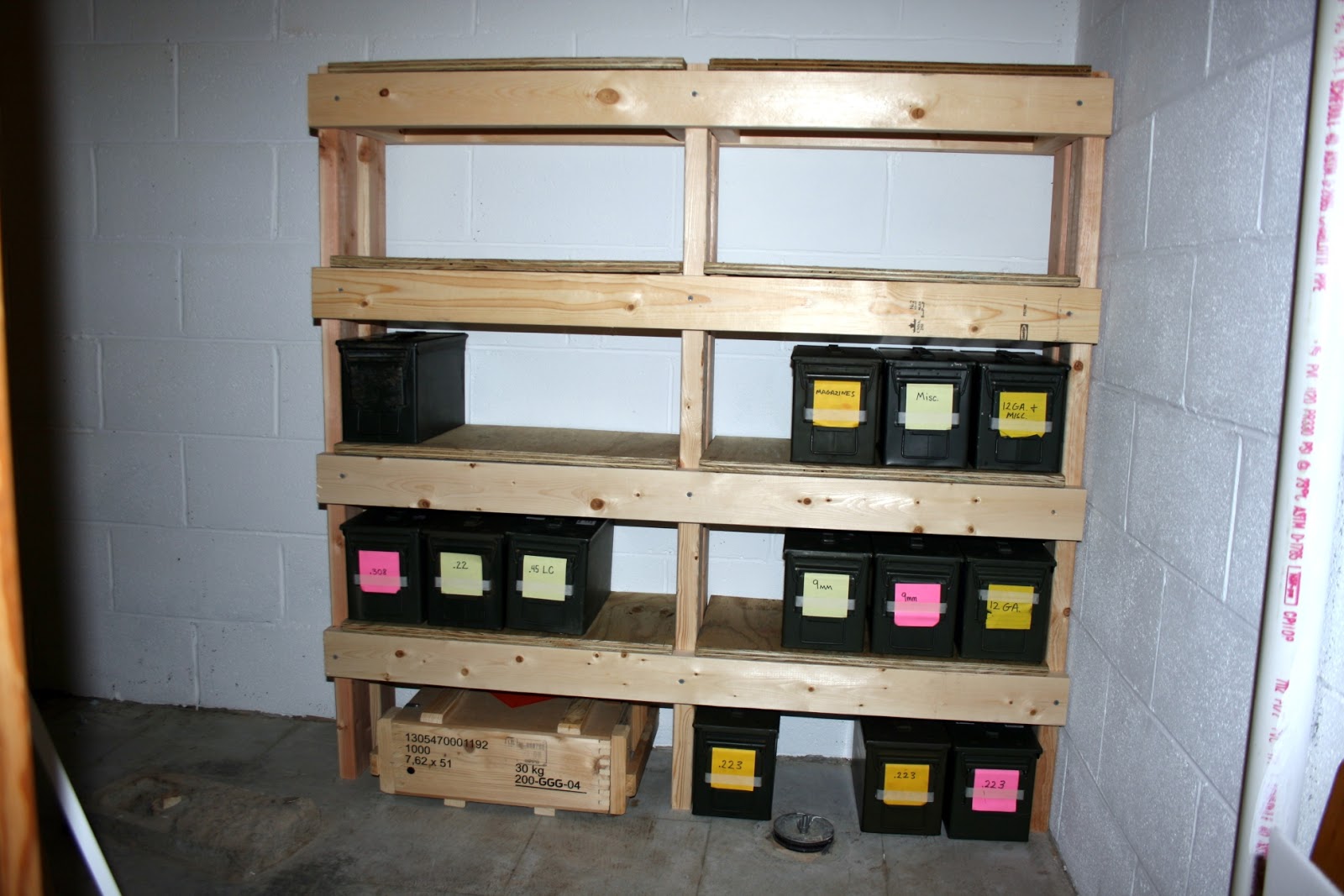
To calculate savings per case, divide the case price by the round count, then compare that cost-per-round against the per-box price multiplied by the number of boxes in the case. For example, if a 500-round case costs $250, your cost is $0.50/round; if the same ammo sells for $12 per 20-round box, five boxes equal $300, yielding a $50 case saving. Storage requires a cool, dry environment—ideally below 70°F with under 50% humidity—inside sealed ammo cans with desiccant packs. Avoid garages or attics where temperature swings accelerate powder degradation. Stack cans off concrete floors on wooden pallets to prevent moisture wicking. Rotate your stock so older cases are used first, preserving long-term bulk ammunition storage integrity.
Buying in bulk saves 10–25% per round when you compute cost-per-round against box pricing; store cases in sealed ammo cans, in low-humidity, temperature-stable spaces, and rotate stock to protect your investment.
Shooting Drills That Maximize Training Value with Minimal Rounds
To stretch cheap ammunition, prioritize drills that isolate a single skill per repetition rather than burning rounds on reflexive mag dumps. The dot-torture drill—a 2-inch grid of numbered circles—forces precise trigger control and sight alignment; one 10-round magazine can yield 100 focused trigger presses if you reset the gun for each numbered dot. Likewise, the one-shot draw-and-fire exercise from concealment builds a smooth draw-to-first-shot sequence with just five rounds, re-holstering and resetting after each rep. For movement, mark a 4-yard line and fire a single aimed shot 6mm Remington Ammo for Sale after each lateral step, using only 10 rounds for five full traversals. Even the classic “press-out” drill, where you start at low ready and fire one shot as the gun reaches extension, sharpens recoil management. Every round must have a specific diagnostic purpose—if you can’t identify what that rep improved, you’re wasting ammunition regardless of price.
Separating Practice Ammo from Carry Ammo: A Smart Budget Strategy
Splitting your stash into dedicated practice rounds and a separate box for carry ammo is a total game-changer for your wallet. Buy bulk, budget-friendly FMJ rounds for the range, and save your pricier, defensive hollow points strictly for the gun you actually carry. Rotating your carry ammunition means you’re not burning through expensive self-defense loads every session, which keeps your shooting fund alive much longer. You’ll burn through cheap ammo at the range without guilt, while your defensive rounds stay fresh and ready for the rare, important function checks. This simple habit lets you shoot more for less, keeping your skills sharp without draining your bank account.
Overcoming Common Myths and Pitfalls with Low-Cost Cartridges

The biggest myth about cheap ammunition is that it’s inherently unsafe or inaccurate—in reality, most modern budget rounds are perfectly serviceable for range practice. The real pitfall lies in ignoring lot-to-lot variations, so always test a small box first to confirm your firearm cycles and groups consistently. Another common trap is assuming “low-cost” means “low-pressure,” which can lead to sloppy reloading habits; instead, stick to factory loads for defensive use. Focus on function, not brand prestige, and check for signs of over-insertion or primer seating issues that occasionally slip through in bargain batches. Clean your gun more often when shooting cheap ammo, since some budget powders leave extra fouling that can cause malfunctions if ignored. *The savings only count if every round goes bang reliably when you need it to.*

Dealing with Misfires, Hard Primers, and Extraction Issues on a Budget
When budget ammunition reveals hard primers, the first step is to identify the failure pattern—light strikes versus no indentation. A spent primer pocket can be resized with a hand reamer to fit a slightly larger primer, but if the case is Berdan-primed, discard it. For misfires, a second strike often works; if not, check firing pin protrusion with a dummy round. Extraction issues from lacquered steel cases require a tight chamber brush and a dry lubricant like graphite on the case body, not oil.
- Tap the bolt handle to confirm bolt rotation is not blocked.
- Use a cleaning rod with a brass jag to tap the stuck case out.
- Polish the chamber with 0000 steel wool and solvent.
Never force an extractor—that risks bending the claw. Instead, carry a kinetic hammer for stubborn rims; the impact breaks the case seal without damaging the bolt face.
Cleaning Your Gun More Often: The Hidden Cost You Need to Plan For
Shooting inexpensive ammunition often means dealing with dirtier propellant and weaker primer seals, which directly increases fouling in your barrel and action. That hidden cost is your time and solvent, not just the ammo price. You’ll need to budget for more frequent cleaning sessions to prevent carbon buildup from affecting reliability. Buy bore brushes and CLP in bulk, and consider a dedicated cleaning mat to speed up the process. Ignoring this extra maintenance can lead to malfunctions that negate your savings. Increased fouling from budget rounds demands a stricter cleaning schedule than premium loads require.
Q: How often should I clean my gun when using cheap ammunition?
A: Plan to clean after every shooting session, especially if you fire over 100 rounds, because cheap cartridges often leave corrosive or heavy residue that accelerates wear.
How to Test a New Cheap Lot Without Wasting Money or Time
Start by securing only one box from a new cheap lot, not a case. Fire five rounds for function checks in your primary firearm, then shoot a five-shot group at 25 yards to gauge mechanical accuracy. Chronograph ten rounds to confirm velocity consistency, as erratic speeds indicate poor powder lot control. However, a single bad group doesn’t condemn the lot; retest after cleaning the barrel, since copper fouling from previous ammo skews results. Compare your dirty-gun groupings with clean-bore results to isolate the cartridge’s contribution. If feeding, extraction, and primer strikes remain flawless across 7mm Rem Mag Ammo for Sale 30 rounds, buy only a modest backup supply—never stockpile until you’ve confirmed zero pressure signs like flattened primers or sticky bolt lift.
Test one box: check function, chronograph velocity, and shoot clean-bore groups before buying more—never commit to a bulk purchase without 30 trouble-free rounds.
Where to Find Reliable Deals and Avoid Getting Scammed
To find reliable deals on cheap ammunition, anchor your search to vetted online retailers like Target Sports USA or MidwayUSA, which post transparent per-round pricing and bulk-buy discounts, and always verify a site’s legitimacy through independent forums like r/gundeals before entering payment info. Steer clear of social media marketplace listings or private WhatsApp groups offering “too-good-to-be-true” prices—these are prime vectors for counterfeit rounds or outright theft. Cross-check the seller’s physical address, phone number, and return policy; a missing or vague one is a red flag. For in-person finds, stick to established gun shows or brick-and-mortar shops with a fixed counter, and inspect the box’s seal and lot number for tampering. If a deal requires cryptocurrency or wire transfer, walk away immediately.
Your cheapest round is worthless if it fails to fire or damages your firearm, so prioritize verified sellers over bottom-dollar promises.
Finally, use price-comparison tools like AmmoSeek, but only click through to retailers with HTTPS and published contact info—this filters out most scam fronts while keeping your savings real.

Comparing Online Retailers Versus Local Stores for the Best Price Per Box
To secure the best price per box, compare online retailers against local stores, but factor in shipping and transfer fees—online bulk buys often beat local shelf prices only after these costs are added. Local stores win for single-box urgent needs, while online excels for case quantities. The hidden edge is price-per-round calculation after all fees, which reveals true value.
- Check local stores for frequent per-box sales, especially on common calibers.
- Use online retailers for bulk cases, where per-round savings 9mm Ammo for Sale offset flat delivery fees.
- Always compare the same brand and grain weight across both sources, including tax and shipping.
Using Ammo Search Tools and Price Alerts to Catch Flash Sales
To catch flash sales on cheap ammunition, ammo search tools and price alerts are your fastest allies. Sites like AmmoSeek or WikiArms aggregate live inventory across dozens of retailers, letting you sort by CPR (cost per round) instantly—but flash deals vanish in minutes. Set price alerts for your exact caliber and target CPR; when a vendor drops below your threshold, the alert fires to your phone or email before the stock evaporates. Many tools offer “deal forums” where users post live codes, but rely on the alert system as your primary tripwire. For hot calibers like 9mm or .223, enable SMS notifications—email lags. A quick comparison table helps: AmmoSeek offers broad filters, while WikiArms specializes in real-time auto-refresh. Combine both, and you’ll strike during the 10-minute window most flash sales last.
Signs That a Discounted Deal Is Too Good to Be True: Packaging and Lot Numbers
When a discount seems extreme, inspect the packaging and lot numbers before committing. Legitimate manufacturers print a consistent lot number on each box and case; if the numbers are smudged, hand-stamped, or mismatched across identical boxes, the ammunition may be remanufactured, pulled from unknown sources, or repackaged after improper storage. Also, check for crushed corners, rust rings on the primer, or faded inks—these indicate old stock or water damage that degrades powder and primers. A single lot number should match the case exterior; disparate numbers suggest mixing of headstamps or weights, which ruins accuracy and can cause pressure spikes. If the seller cannot provide the Ammunition for Sale lot number for the exact box you are buying, walk away.
Authentic discounted ammo carries clear, uniform lot numbers and intact packaging; any mismatch, smudge, or damage signals a dangerously false bargain.